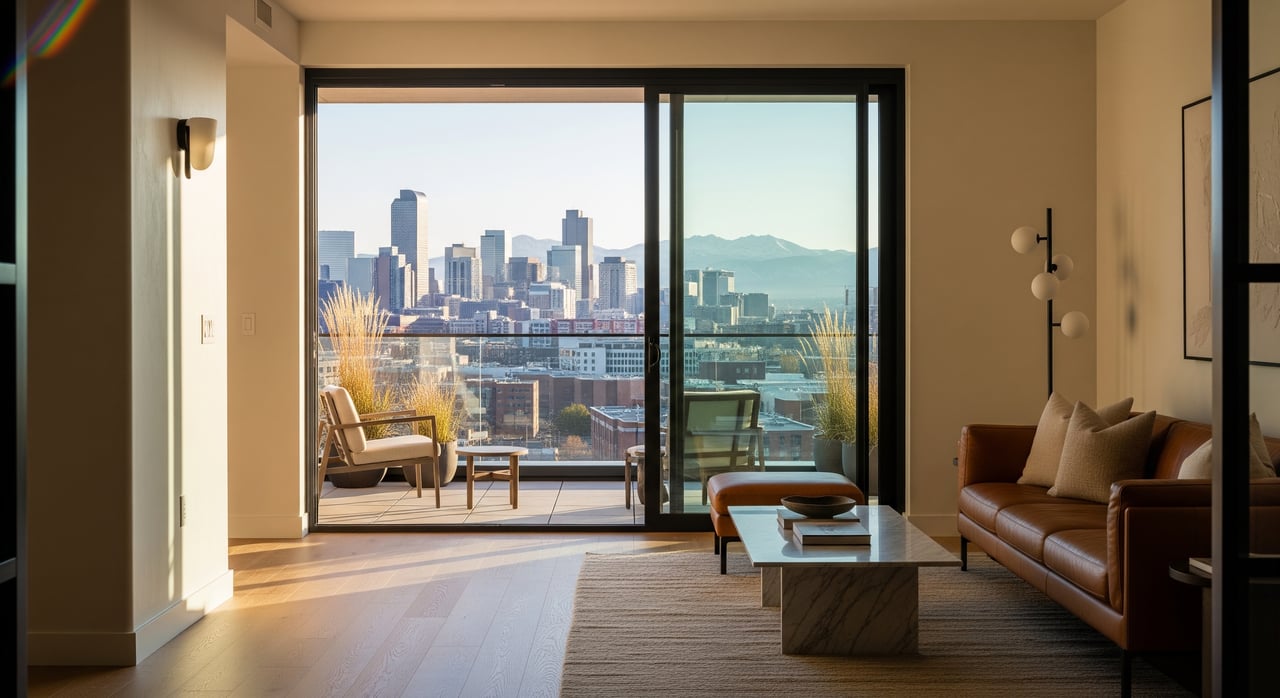
Thinking about trading a backyard for a skyline and more nights out within walking distance? If you’re eyeing Denver’s urban core, you’re not alone. Many buyers and renters are drawn to the mix of historic character, new development, and a lifestyle that centers on walkability and easy access to culture, dining, and transit. In this guide, you’ll learn what day-to-day life looks like downtown, where to focus your search, and how to decide if central Denver fits your goals. Let’s dive in.
What counts as Denver’s urban core
Denver’s urban core generally includes the Central Business District and the contiguous neighborhoods around it. You’ll hear LoDo, Union Station, Ballpark, RiNo, Capitol Hill, Uptown, Golden Triangle, Civic Center, Curtis Park, and parts of Cherry Creek mentioned often. Boundaries vary by source, but these districts together form the heart of the city’s activity. For a helpful high-level view of how the city and business community define downtown, explore the Downtown Denver Partnership’s overview of the area.
Compared with larger coastal cities, Denver’s downtown is a mid-size urban center. You’ll find a mix of historic low- and mid-rise blocks alongside newer high-rises. The resident base here is a small share of the city’s total population but has grown in the last decade through infill projects and office-to-residential conversions. Daytime foot traffic can surge with office workers, conferences, and sports events, while the residential vibe ramps up after hours.
Daily life at street level
Walkability and neighborhood feel
If walkability is a priority, you’ll likely feel at home in many parts of central Denver. Downtown, LoDo, and sections of Capitol Hill and Uptown offer restaurants, coffee shops, small retailers, gyms, and grocery options within a few blocks. Much of the core rates as very walkable according to resources like Walk Score’s Denver listings. The feel shifts block by block. LoDo and RiNo show off warehouse conversions, breweries, and nightlife. Capitol Hill and Uptown lean more residential with older apartment buildings and steady street-level retail. Golden Triangle and Civic Center bring a museum-and-institution energy.
Transit and getting around
Union Station anchors the core’s transit options. Light rail and buses on the Regional Transportation District network connect downtown with the rest of the metro, and the RTD A Line from Union Station links directly to Denver International Airport. Many residents mix walking, transit, biking, and scooters for daily trips. If you plan to drive, expect limited street parking, metered zones, and higher monthly costs for garage spaces compared with the suburbs.
Biking and micromobility
Central Denver has an expanding web of protected bike lanes and multi-use trails that cut through the core. The Cherry Creek Trail and South Platte River paths make bike commuting and weekend rides practical. City plans continue to evolve around multimodal transport, and the City and County of Denver provides resources that can help you map routes and understand ongoing improvements. You will see docked and dockless bikes and scooters around the busiest corridors.
Parks and green space
Even in the center of the city, you can get a quick dose of nature. Civic Center Park hosts festivals and civic events, while Commons Park and Confluence Park give you riverfront paths where Cherry Creek meets the South Platte. These spaces are popular for walking dogs, meeting friends, or cooling off near the water on warm days. If you crave bigger landscapes, mountain trailheads and front-range recreation are typically 30 to 90 minutes away by car depending on destination and traffic.
Dining, arts, and sports
You will not run out of options to eat and explore. LoDo, Larimer Square, RiNo, and Cherry Creek serve up everything from destination restaurants to casual spots and craft breweries. For culture, the Denver Center for the Performing Arts anchors theater and major productions, while the Denver Art Museum and nearby institutions offer year-round exhibits. To plan your nights out and weekend adventures, Visit Denver’s guides are a good place to start. On game days and concert nights, Coors Field and Ball Arena add even more energy to the streets.
Housing options and costs
What you can live in
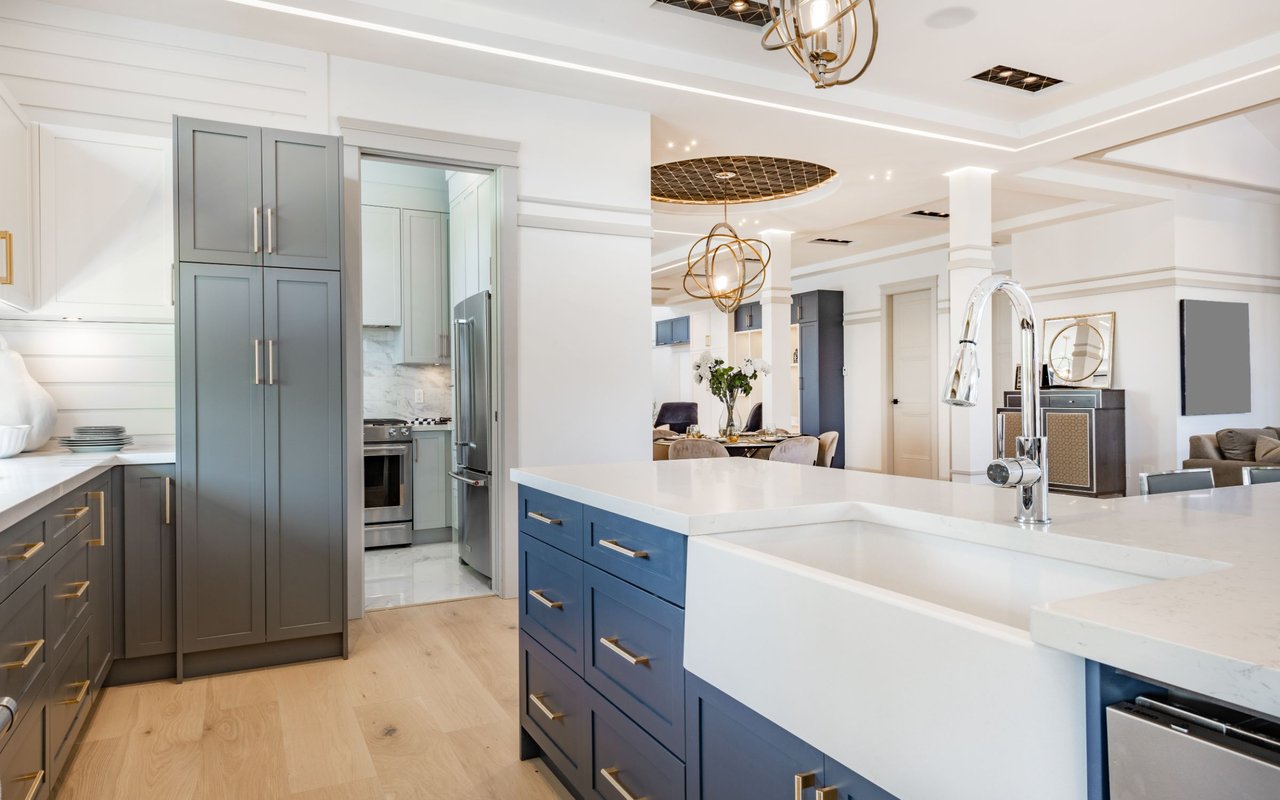
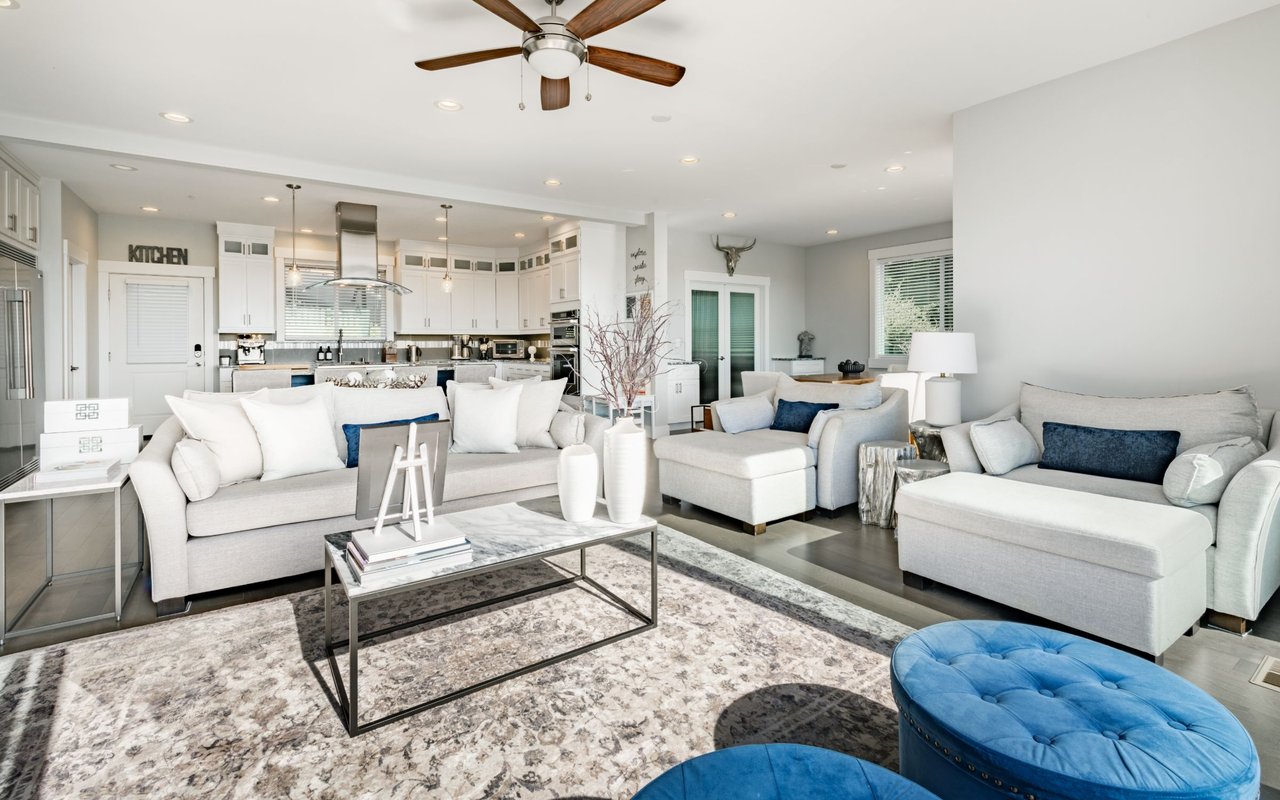
The core offers real variety in housing style. You can find historic warehouse lofts in LoDo and RiNo, Victorian and early 20th-century walk-up apartments in Capitol Hill and Uptown, and newer mid- to high-rise condos near Union Station and along major corridors. Infill townhomes and mixed-use apartment towers round out the choices, with many newer rental buildings adding shared workspaces and fitness centers.
Renting vs owning
Downtown carries a large rental market, especially for studios and one-bedroom units that appeal to working professionals. Condos attract buyers who want a walkable lifestyle and urban views. Keep in mind that most condo buildings come with HOA dues, and some units charge extra for parking. Newer buildings may offer more amenities and higher monthly fees, while older conversions can have unique rules you will want to review in detail.
Budget watch-outs
Urban core living concentrates convenience but also comes with different cost patterns than many suburban neighborhoods. Plan for the possibility of paid parking, HOA fees, and utilities that may be structured differently by building. Your food budget can shift if you dine out more often due to the sheer number of nearby options. Premium pricing is most common in LoDo, around Union Station, RiNo hot spots, and near stadiums or cultural hubs, with prices easing as you move outward block by block.
Lifestyle tradeoffs to consider
Sound and event impacts
Noise varies from block to block. Streets near nightlife corridors, stadiums, and busy transit nodes see more activity, especially on weekends and event nights. If you are sound sensitive, target upper-floor units, buildings with quality window glazing, or quieter side streets just off the main corridors. Construction can also add daytime noise in areas with active redevelopment.
Safety and perceptions
Like many city centers, safety patterns are mixed. Some blocks are lively and heavily trafficked, while others experience higher rates of property crime. It helps to check block-level data and visit at different times of day. The Denver Open Data Portal provides access to crime datasets that can support your research as you compare micro-neighborhoods.
Cars, parking, and alternatives
Downtown street parking is limited and often metered. Many buildings offer paid garage spaces or have limited included parking that varies by unit. Some residents choose a car-light lifestyle, leaning on transit, rideshare, bikes, and scooters. If you need a car for weekend mountain trips, you may weigh the cost of a monthly space against occasional rentals.
Families, pets, and schools
The urban core tends to attract singles, couples, and some families who prioritize walkability over private yards. Larger homes with outdoor space are more common in nearby neighborhoods outside the core. Pet policies vary by building, so review rules closely for any size, breed, or deposit requirements. Public and private school options exist within reach, and enrollment processes vary by provider and district.
Choosing your micro-neighborhood
Start with your top lifestyle priorities, then map them to likely fits:
- Nightlife and restaurants within steps: LoDo, RiNo, Ballpark, Larimer Square.
- Museums and civic energy: Golden Triangle and Civic Center.
- Classic urban apartments and a residential feel: Capitol Hill and Uptown.
- Creative scene with rapid development: RiNo.
Once you shortlist areas, compare blocks by these filters:
- Walkability and transit access. Quick checks with tools like Walk Score for Denver help you compare.
- Distance to Union Station or key bus and light rail lines on the RTD network.
- Parking availability and monthly costs.
- HOA fees, reserve health, and building rules if you are buying a condo.
- Pet policies and storage for bikes or outdoor gear.
How to test the fit
Visit like a future resident
If you can, visit showings at multiple times of day. Try a weekday morning to sense commute rhythms, an evening to gauge nightlife and noise, and a weekend to see event crowds. Check cell signal, elevator wait times, water pressure, and common areas for building maintenance and security practices.
Trial your transportation plan
Rehearse your likely routine using your intended mode. Walk to the grocery store you expect to use. Ride the train or bus to your office or favorite spots. Bike the Cherry Creek Trail or South Platte paths to see real travel times. This small test often clarifies which blocks will feel easiest day to day.
Remote-friendly options
If you are relocating from out of state or your schedule is tight, you can do much of your early research digitally. Many buildings and listings offer virtual tours and 3-D walkthroughs, and reliable neighborhood guides help narrow your search before you fly in. Remote-closing workflows are common across Denver, and it is straightforward to combine virtual viewing with one focused in-person visit.
Work with a local guide
An experienced local agent can save you time and reduce risk. In central Denver, small block-level differences matter. A knowledgeable advisor will help you compare HOA documents, reserve studies, and rules, confirm parking details, and read the fine print on pet or rental policies. As you weigh a condo or loft, this guidance can be the difference between a smooth purchase and avoidable surprises.
If you are ready to explore your options in Denver’s urban core, reach out to Nino Pepper. You will get boutique, principal-led service backed by modern digital tools and the reach of a national brokerage. Schedule a free consultation to map your next steps.
FAQs
Is downtown Denver safe for residents?
- Safety patterns vary by block and time of day, so check current data and visit at multiple times. The Denver Open Data Portal offers crime datasets to support your research.
Is downtown Denver noisy at night?
- It depends on your block and floor. Streets near nightlife, stadiums, or construction zones are louder, while side streets and upper floors tend to be quieter.
Do most downtown residents rent or buy?
- Renting is common, especially for studios and one-bedrooms. Ownership is also common in condos and lofts, with prices and HOA fees varying by building and location.
How fast can I reach the mountains from downtown?
- Many front-range and foothill trailheads are 30 to 90 minutes by car depending on destination, traffic, and weather. Plan extra time on peak weekends and holidays.
Is parking usually included with urban condos or rentals?
- Not always. Many buildings charge separately for garage spaces, and street parking is often metered. Confirm parking availability and monthly costs early.
Are downtown Denver condos a good investment?
- They can be for lifestyle-focused buyers and investors, but results vary. Review HOA health, supply of new condos, and market cycles, and compare blocks carefully before you buy.