Thinking about a move to Lone Tree but not sure where to start? You want a neighborhood that fits your lifestyle, an easy commute, and a simple plan for renting or buying without wasted time. This guide gives you a clear roadmap: neighborhood snapshots, commute options, a rent-versus-buy framework, and a step-by-step checklist for a smooth first 90 days. Let’s dive in.
Why Lone Tree works for modern professionals
Lone Tree sits in Douglas County on Denver’s south side, near the I-25 corridor and the C-470 beltway. You’re minutes from the Denver Tech Center, major healthcare facilities, and destination retail at Park Meadows. The city blends newer master-planned developments with established neighborhoods, which suits both hybrid workers and families who want amenities close by.
If you want a quick snapshot of city services and development context, the City of Lone Tree maintains resources and planning updates. For population and demographic snapshots, check the U.S. Census Bureau’s QuickFacts for Lone Tree when you’re ready to compare areas.
Your relocation timeline at a glance
Relocating from out of state is easier when you break it into three phases. Use this as your high-level plan, then customize with your employer’s move dates and any relocation benefits.
Step 1: Pre-move planning (2–6+ weeks)
- Get organized: Save digital copies of your ID, proof of income, references, and rental history if you plan to lease.
- If buying, get pre-approved: A local lender can align timelines with typical 30–45 day closings.
- Block a search trip: Out-of-state buyers often schedule a 3–7 day visit to tour finalists.
- Map your commute needs: Decide whether you’ll drive, use light rail, or go hybrid a few times per week.
- Shortlist neighborhoods: Pick two to four areas to compare based on home type, transit, HOA preferences, and proximity to daily services.
Step 2: Arrival week essentials
- Utilities and internet: Contact local providers to start service on move-in day. The City of Lone Tree and Douglas County sites list utility contacts and city services.
- Driver’s license and vehicle: Review the Colorado DMV’s guidance for new residents and deadlines on the Colorado DMV.
- Healthcare: Identify your nearest hospital, urgent care, and primary care. A major option for the area is Sky Ridge Medical Center.
- Schools: Verify school boundaries and enrollment steps with the Douglas County School District if you have school-age children.
- Mail and voter registration: Set up USPS forwarding and update your records; register to vote once your address is confirmed.
Step 3: First 30–90 days
- Renting: Expect about 2–6 weeks to identify a property, apply, and sign a lease. Build in time for applications and utility setup.
- Buying: Many buyers spend 2–12+ weeks searching, then 30–45 days from contract to close depending on inspections, appraisal, and title.
- Commute testing: Drive and train your expected routes during peak hours at least once to confirm your plan.
- Neighborhood confirmation: Spend a few weekends exploring parks, trails, and retail in each area on your shortlist.
Neighborhood quick guide
Use these capsules to match your needs to home types. When you’re ready to compare active listings, lean on a local MLS feed and on-the-ground tours.
Master-planned, newer builds (south Lone Tree)
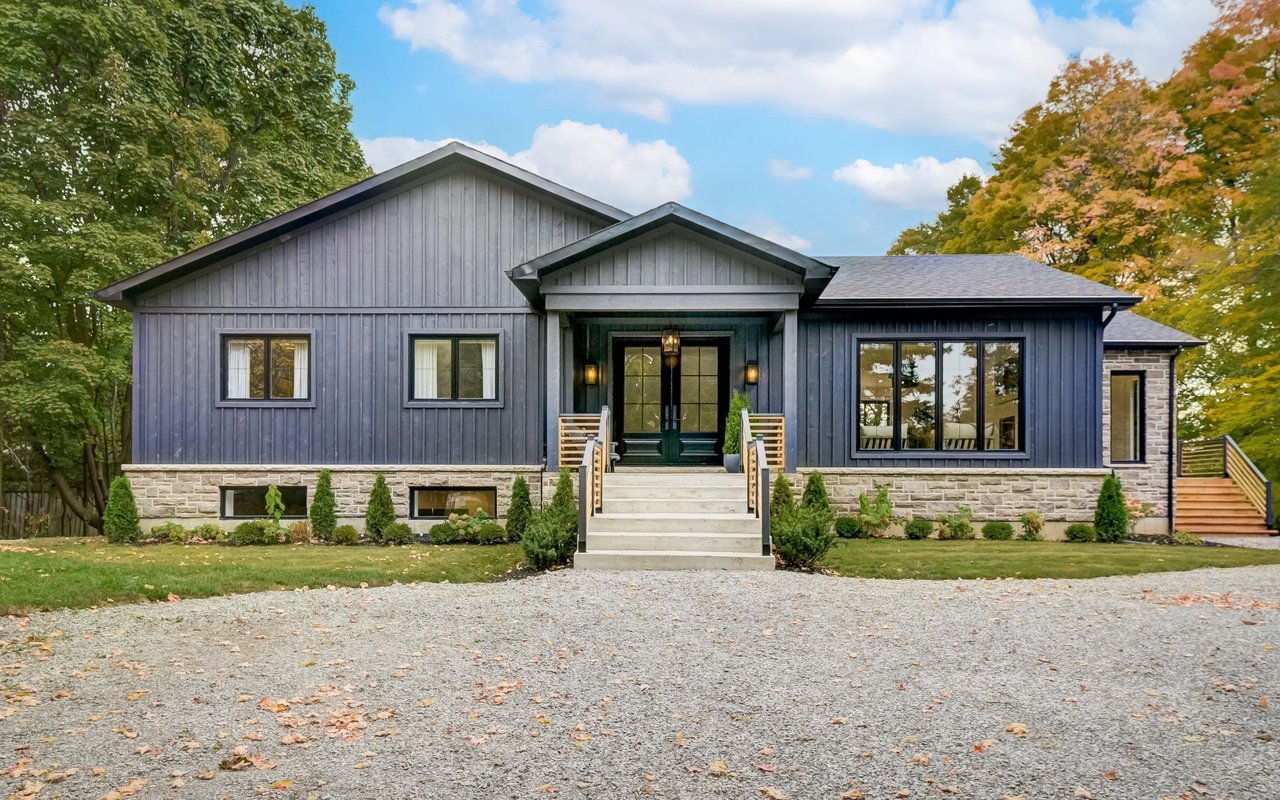
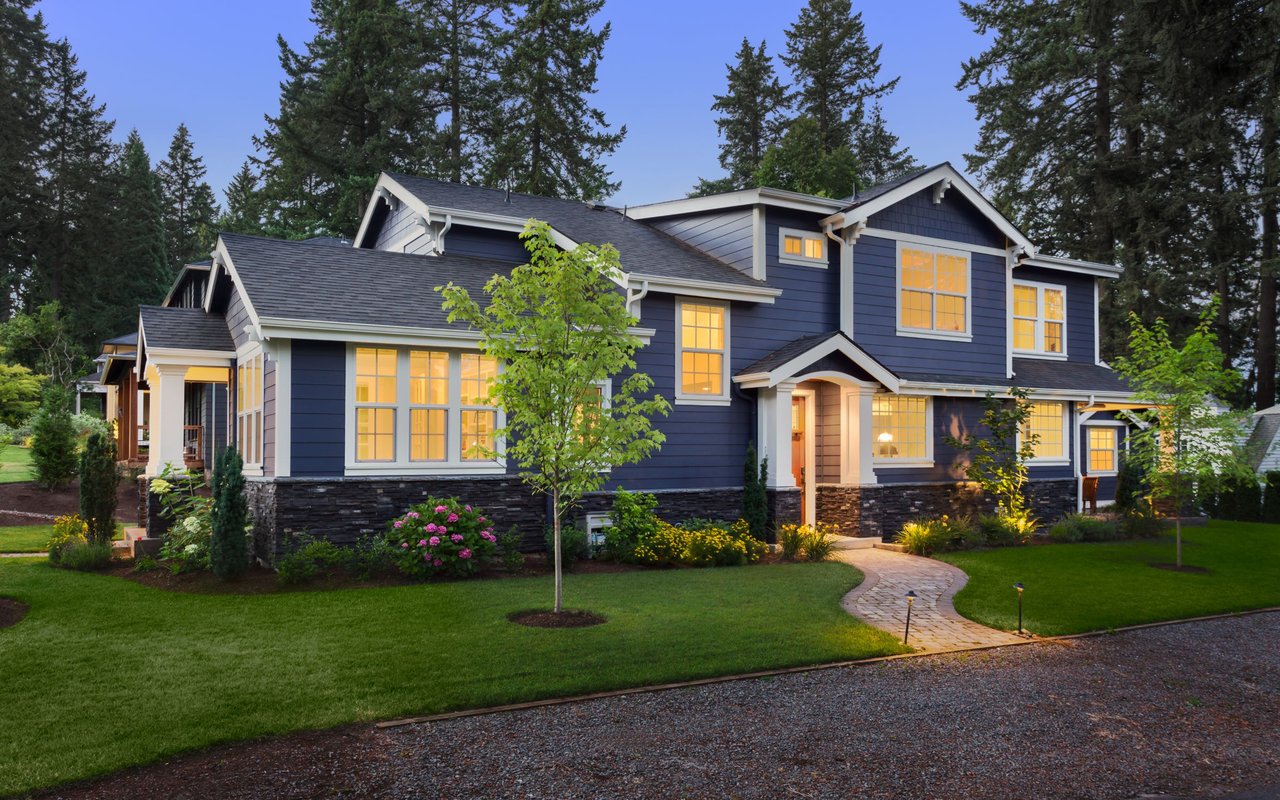
- Character: Newer single-family homes and townhomes with modern finishes, parks and trails, and mixed-use hubs.
- Best for: Buyers who want modern construction, planned amenities, and walkable access to retail and office nodes.
- Good to know: Newer communities often have HOAs that cover shared spaces and amenities. Many areas sit near the light-rail extension and newer office/retail.
Park Meadows and City Center core
- Character: Established single-family neighborhoods alongside mid- and high-density condos and townhomes near Park Meadows Mall and services.
- Best for: Shoppers and social planners who want quick access to retail, restaurants, and existing amenities.
- Good to know: You’ll be positioned for shorter drives to the Denver Tech Center and major medical facilities.
Suburban single-family and larger lots
- Character: Quiet streets, older trees, and larger yards in the northern and adjacent residential pockets.
- Best for: Households that want yard space and a longer-term residence.
- Good to know: Expect more traditional subdivision layouts with a calm neighborhood feel.
Condos, townhomes, and apartments near transit
- Character: Lower-maintenance living in multi-family communities positioned near light-rail stations and central amenities.
- Best for: Young professionals and anyone who prioritizes commute convenience over yard space.
- Good to know: These areas often work well for hybrid workers who need an easy trip into the DTC or downtown.
Getting around: light rail, highways, or both
Light rail basics
Lone Tree is served by the Regional Transportation District’s Southeast rail corridor, which connects south suburbs to Denver and the broader network. Light rail gives you a predictable commute option and avoids peak-direction congestion when schedules fit your day. Before committing to a transit-based plan, confirm current routes, parking, and frequency on the RTD rail service page.
Driving and highways
I-25 is the north-south spine into the DTC and downtown; C-470 wraps the south metro and connects to key corridors. Traffic into Denver can back up during morning rush, with the reverse in the evening. Drive your route at your target times and save a few alternatives in your maps app for flexibility.
Hybrid commuting
Many professionals alternate between driving and transit depending on office days, meetings, or weather. If you plan hybrid commuting, test a park-and-ride workflow and a direct-drive workflow to see which feels smoother.
Where the jobs are
Denver Tech Center (DTC)
Just north of Lone Tree, the DTC is a major employment hub with corporate offices and professional services. If your office is here, you’ll find that both light rail and a quick drive are viable options depending on your schedule.
Healthcare and medical
Healthcare is a major draw. Professionals relocate to be near hospitals, clinics, and specialty providers, including Sky Ridge Medical Center and other medical facilities in and around Lone Tree.
Retail and services
Park Meadows and nearby centers support retail, dining, and management roles. Explore what’s on-site and nearby via the Park Meadows directory to get a feel for everyday convenience.
Rent vs. buy: how to decide
Both paths can be smart. It depends on your certainty, budget, and timeline.
Reasons to rent first
- You want time to learn neighborhoods, schools, and commute patterns.
- Your start date is soon and you need move-in flexibility.
- You prefer to shop for a home in person and avoid rushing a purchase.
Typical renting timeline: 2–6 weeks from search to signed lease, plus 1–2 weeks for applications and utility setup.
Reasons to buy first
- You’re confident about staying in the area long term.
- You have competitive financing and clear criteria.
- You want the stability and equity-building of homeownership.
Typical buying timeline: 2–12+ weeks to identify a property; about 30–45 days from contract to close, depending on lender, inspection, appraisal, and title.
A simple decision framework
- High certainty about where you’ll live and work: Consider buying.
- Moderate certainty or new to the region: Rent 6–12 months, then buy with confidence.
- Employer relocation benefits or temporary housing: Align your lease or closing with those timelines to avoid gaps.
If you want to study current pricing and velocity before deciding, look at regional MLS trends through sources like REcolorado and pair that with a local lender’s payment scenarios. Your agent can also outline HOA ranges and property tax estimates using the Douglas County Assessor as a reference.
Remote-work setup tips
- Home office features: Look for layouts with a dedicated office or a quiet flex space, good natural light, and room for storage.
- Internet: Xfinity/Comcast and other regional providers serve Lone Tree. Confirm availability and speeds by address before signing a lease or contract.
- Coworking and meeting rooms: You’ll find options in Lone Tree and the DTC that work well for hybrid schedules and client meetings.
Daily life and services
- Groceries and shopping: Park Meadows and nearby centers put retail, groceries, and services within a short drive.
- Parks and trails: Lone Tree highlights parks, trails, and recreation programs. Start with city resources on the City of Lone Tree site to browse maps and programming.
- Taxes and cost of ownership: Property taxes, local sales taxes, utilities, and HOA dues all affect your monthly cost. Use the Douglas County site and your lender’s estimates to plan.
Your first 90-day action plan
Follow these steps to reduce stress and stay on schedule.
- Week 0–2: Finalize lease or write offers; set up utilities; confirm DMV timelines; choose healthcare providers; verify school enrollment steps with the Douglas County School District.
- Week 2–4: Test commute options; visit neighborhoods on weekends; shortlist top two areas; schedule inspections or walkthroughs if you’re under contract.
- Week 4–8: If renting, start touring resale homes casually; if buying, complete inspection responses and appraisal; line up movers and closing logistics.
- Week 8–12: Close and move, or renew your lease strategy with updated market info.
Ready to compare neighborhoods, tour homes virtually, or set up a focused search trip? You can streamline everything with virtual tours, digital document tools, and a clear step-by-step plan. When you want personal guidance rooted in Lone Tree and the south metro, connect with Nino Pepper.
Helpful local links
FAQs
Is Lone Tree a good fit for hybrid workers?
- Yes. You’ll find newer master-planned neighborhoods, easy access to I-25 and C-470, and RTD light rail service for days you need to head into the office.
How do I choose between newer builds and established areas in Lone Tree?
- Newer master-planned areas offer modern construction and HOA amenities, while established neighborhoods near Park Meadows provide quick access to retail and a mix of home types.
How reliable is light rail for commuting from Lone Tree?
- Light rail offers a predictable alternative to driving and can avoid peak congestion, but you should confirm routes, schedules, and parking on RTD’s site before finalizing your commute plan.
Should I rent first or buy when relocating to Lone Tree?
- If you’re new to the area, renting for 6–12 months helps you learn neighborhoods and commute patterns; if you’re confident about location and timeline, buying first can make sense.
How long does it take to close on a home after an offer is accepted?
- In many markets, plan for roughly 30–45 days from contract to close, depending on lender, inspection, appraisal, and title timelines.