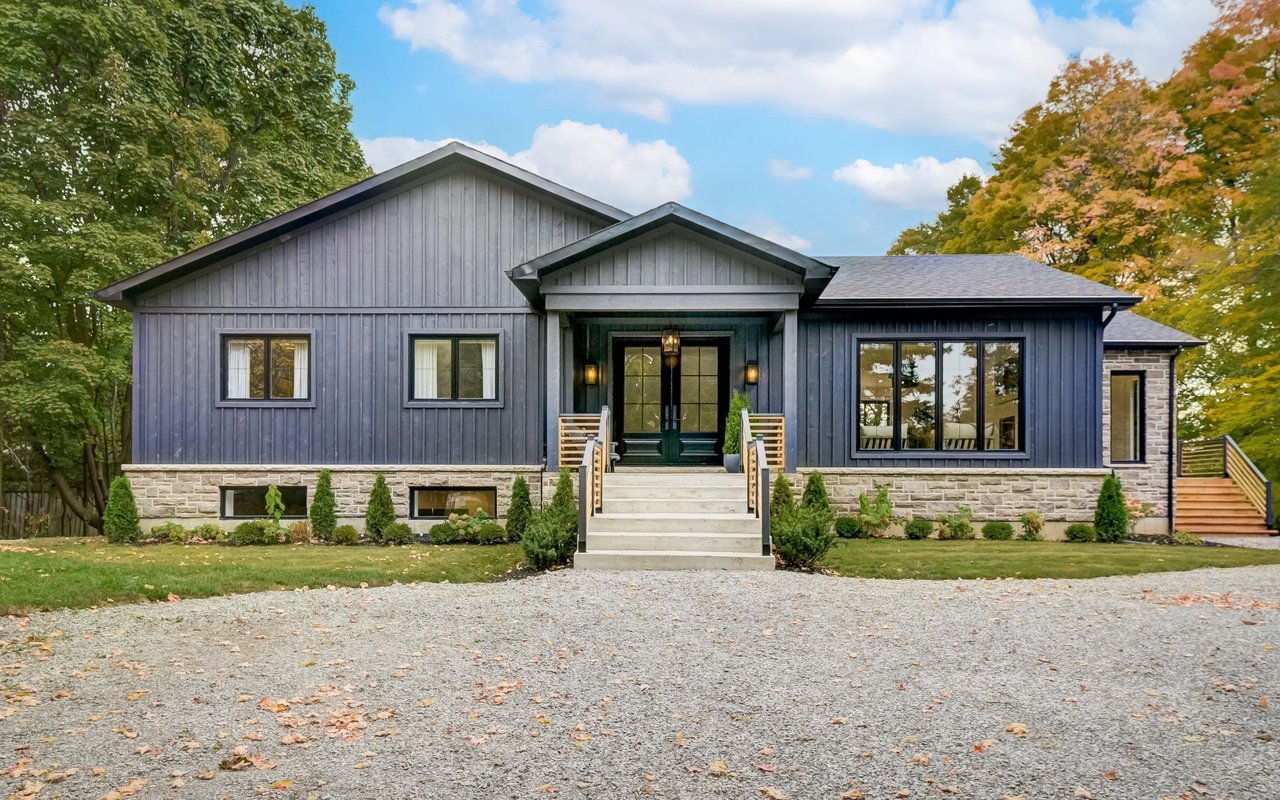
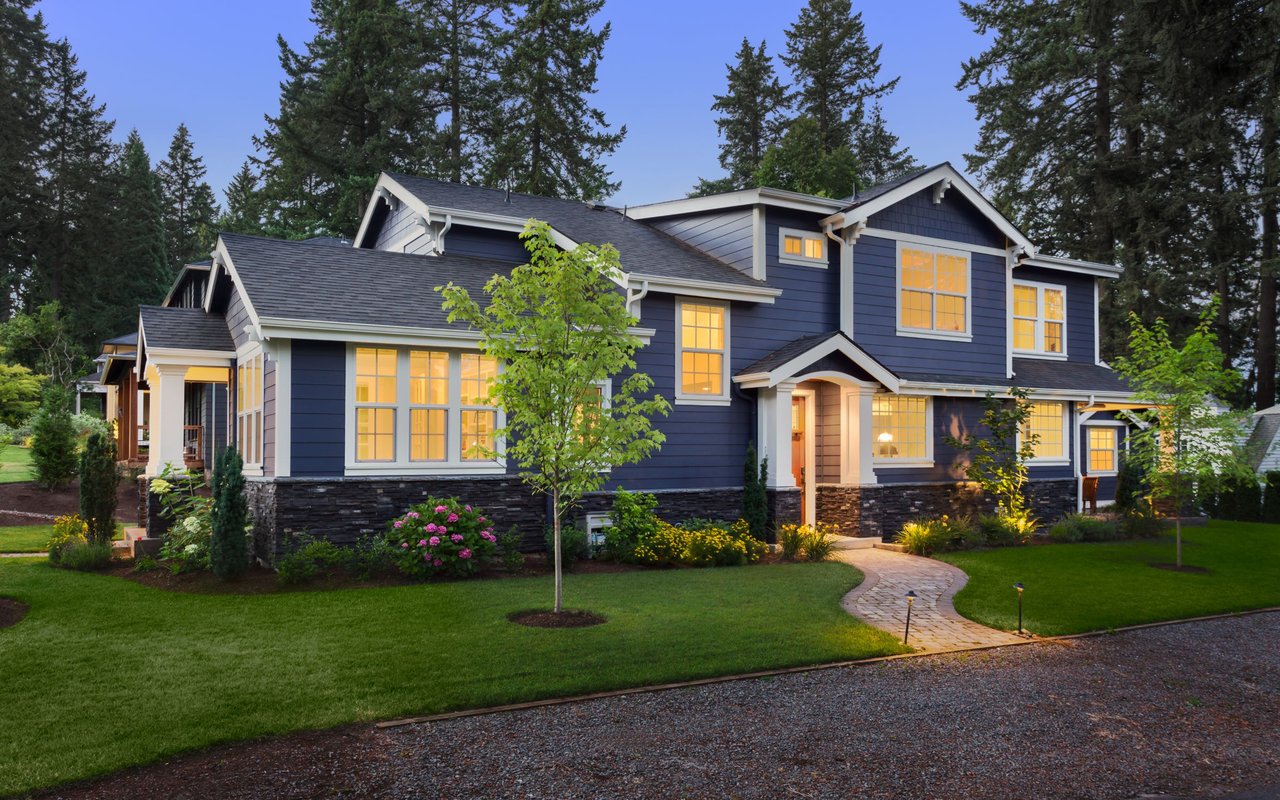
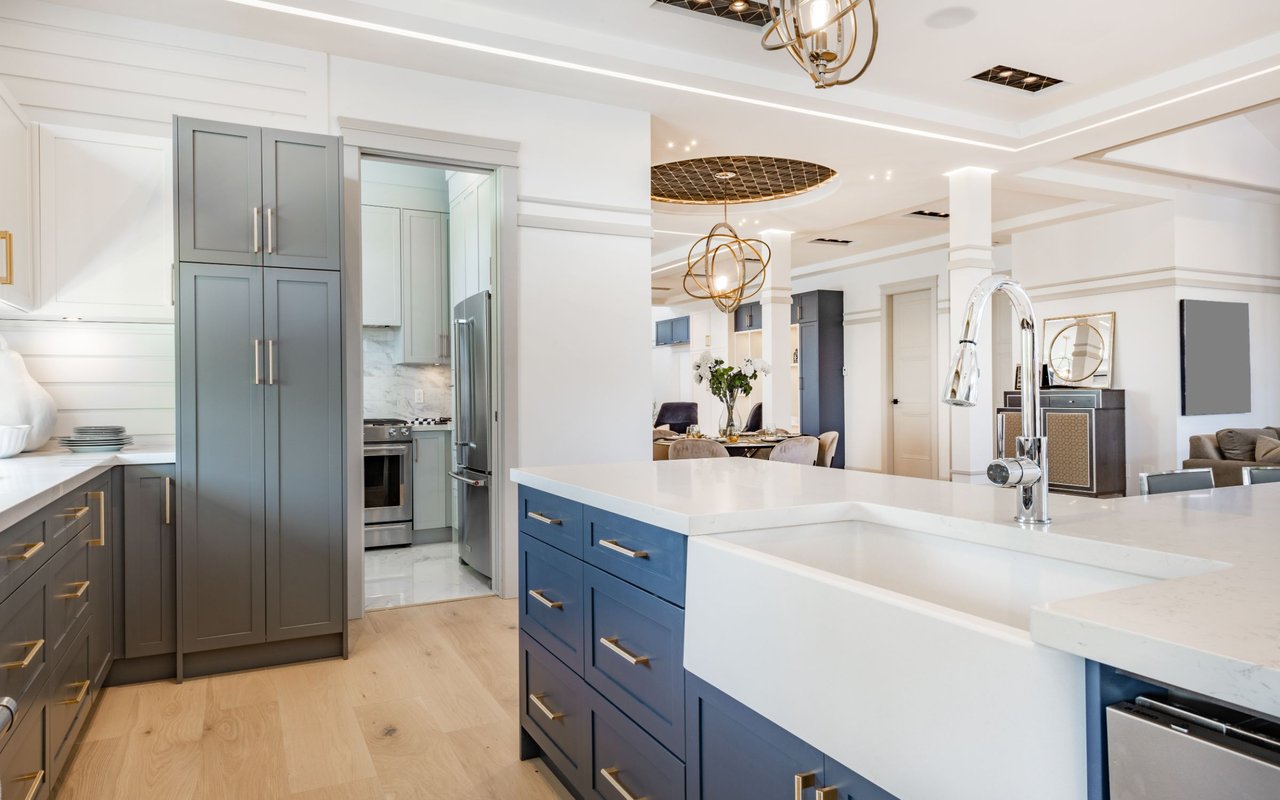
Wondering whether a newer build or an older home makes more sense in Englewood? You are not alone. In a city with a large share of older homes and a growing mix of infill development, the right choice often comes down to how you want to live, what projects you can handle, and how much predictability you want after closing. This guide will help you compare newer builds and older homes in Englewood so you can tour with more confidence and make a decision that fits your goals. Let’s dive in.
Englewood’s Housing Mix
Englewood has an older housing base compared with many outer-ring suburbs. The city’s comprehensive planning documents say most homes were built before 1960, and a later housing assessment found the median year built for sold single-family homes was 1954.
That age matters because it shapes what you will actually find on the market. In many parts of Englewood, older single-family homes are the norm, while newer housing tends to show up in redevelopment and infill areas.
Where Newer Homes Are Found
If you are hoping for a brand-new home in Englewood, it helps to set expectations early. Recent permit patterns show that most new housing has been high-density multifamily or townhome development, with only a small share of detached single-family construction.
A lot of that newer inventory is tied to redevelopment areas, especially around CityCenter and the transit station area. That means your choices may lean more toward townhomes or multifamily options rather than large subdivisions full of newly built detached homes.
What Older Homes Look Like
Older homes are a major part of Englewood’s identity. The city notes that many of these homes are smaller, often around 1,000 square feet on average, and may have fewer bathrooms or garage spaces than buyers expect in newer homes.
That does not make them a poor choice. It simply means you may need to balance charm, location, and renovation potential against layout limitations and future upgrade costs.
Why Buyers Choose Newer Builds
Newer builds often appeal to buyers who want a simpler move. If your goal is a more turnkey experience with fewer near-term repairs, newer construction can offer more predictability.
Because new homes are built to current code-era standards, they may better match what today’s buyers want in terms of layout, systems, and day-one condition. For buyers who value convenience and fewer immediate projects, that can be a big advantage.
Lower Near-Term Maintenance
One of the clearest benefits of a newer build is the chance to avoid major early repairs. In an older home, big-ticket items like electrical service, plumbing, furnaces, roofs, windows, and insulation may need attention sooner.
In a newer home, those systems are typically much newer by definition. That does not eliminate all maintenance, but it can reduce the odds of facing several large projects right after you move in.
Current Code Standards
Englewood reviews permits submitted after May 31, 2026 under the 2024 International Building Code, 2024 International Energy Conservation Code, 2024 International Residential Code, and related 2024 model codes. For buyers, that creates a clearer framework for how new construction is reviewed by the city.
This is helpful if you want a home built under current standards rather than one that has been updated in stages over many decades. It can also make it easier to understand what was required during construction.
Energy Performance and Comfort
Energy efficiency is another reason many buyers prefer newer homes. ENERGY STAR says certified new homes must exceed minimum energy code requirements by at least 10 percent, and efficient new-home programs focus on comfort, health, durability, and third-party verification.
That does not mean every newer home will perform the same way. Still, buyers who care about modern energy performance often find newer construction appealing for both comfort and planning purposes.
Why Buyers Choose Older Homes
Older homes in Englewood attract buyers for different reasons. If you like established neighborhoods, want more renovation control, or hope to create value over time through updates, an older property may be the better fit.
In a city where much of the housing stock dates back decades, older homes can also offer more of the traditional single-family inventory many buyers picture when they think about Englewood.
Established Setting and Character
Many buyers are drawn to the feel of older housing areas because they are already built out. You may prefer a home that sits within an established part of the city rather than a newer redevelopment setting.
Older homes can also give you more opportunities to personalize finishes and systems over time. If you want to shape the home around your preferences instead of paying a premium for someone else’s updates, this can be a strong advantage.
Renovation Upside
Englewood’s older homes may offer room to improve functionality, efficiency, or resale appeal through renovation. That upside can be meaningful if you are comfortable taking on projects in phases.
The tradeoff is that the city specifically notes homes built more than 40 years ago may need major renovations to systems like electrical service, plumbing, furnaces, and appliances, along with continued investment in roofs, windows, fixtures, flooring, and insulation.
Possible Help With Upgrade Costs
Englewood offers local programs that may help some homeowners offset certain improvement expenses. The Energy Efficient Englewood grant can provide up to $8,000 for eligible efficiency upgrades with a 20 percent homeowner match.
The city also offers a Home Repair and Improvement Program that can provide a $2,000 emergency-repair grant or a $10,000 deferred zero-percent loan for eligible repairs and improvements. If you are considering an older home, these programs are worth reviewing as part of your budget planning.
The Real Tradeoff in Englewood
In many markets, the newer-versus-older debate is mostly about style. In Englewood, it is also about inventory.
If you want newer construction, you may need to be flexible on home type and consider townhomes or multifamily options. If you want a detached single-family home, you will likely see more older properties than brand-new ones.
That is why your decision should start with your daily needs. The best home for you is not the one that wins the abstract debate. It is the one that best matches your budget, your tolerance for projects, and the kind of layout and location you want.
Questions to Ask When Touring
Whether you tour in person or remotely, asking the right questions can quickly reveal whether a home fits your comfort level. This is especially useful in Englewood, where age, permits, and renovation history can vary widely from one property to the next.
Use this checklist as a starting point:
- What is the year the home was built?
- Have the major systems been updated?
- Were updates completed with permits?
- What inspection or code records are available?
- Is the property a local landmark?
- Has the home been tested for radon?
- If the home predates 1978, was lead-safe work done or was a disclosure provided?
These questions line up closely with Englewood’s permit process and common age-related concerns in Colorado homes.
Older-Home Risks to Watch
Buying an older home does not mean you should expect problems. It does mean your inspection and due diligence process should be especially careful.
For homes built before 1978, lead-based paint is a key item to understand. The EPA says homes from that period are more likely to contain lead-based paint, and renovation or repair work that disturbs paint in pre-1978 homes must follow lead-safe rules.
Radon should also be on your checklist no matter which home type you choose. In Colorado, the Colorado Department of Public Health and Environment says elevated radon levels are found in one out of every two homes, so testing is a smart step regardless of age.
Renovation Rules in Englewood
If you are buying an older home because you want to improve it, make sure you understand the local process. In Englewood, residential projects such as basement finishes, detached garages, patio covers, decks, re-roofs, and egress windows require an approved permit before work starts.
Contractors working in Englewood must also be licensed with the city. If the property is a local landmark, exterior changes require approval from the Historic Preservation Commission through a Certificate of Appropriateness, though interior changes do not.
How To Decide Which Is Right for You
A newer build may be the better choice if you want a lower-maintenance start, current-code construction, and a layout that feels more aligned with modern living. In Englewood, that often means staying open to townhomes or multifamily homes in redevelopment areas.
An older home may be the better choice if you want a detached home in an established part of the city, do not mind planning for repairs and upgrades, and see value in improving a property over time. That path can work especially well if you want more control over updates and are ready to do the homework before you buy.
The good news is that you do not have to figure it out alone. With the right strategy, virtual tours, and a clear review of each home’s age, condition, and records, you can compare options more efficiently and avoid surprises. If you want help sorting through Englewood’s mix of older homes, infill projects, and newer builds, schedule a free consultation with Nino Pepper.
FAQs
Should you expect many brand-new detached homes in Englewood?
- Probably not. Recent permit patterns show most new housing in Englewood has been multifamily or townhome development rather than detached single-family construction.
What makes older homes in Englewood appealing to buyers?
- Older homes can offer established settings, more traditional single-family inventory, and renovation upside for buyers who want to improve a property over time.
What repairs are common concerns in older Englewood homes?
- The city notes older homes may need major updates to electrical service, plumbing, furnaces, appliances, roofs, windows, flooring, fixtures, and insulation.
What should you ask when touring an Englewood home?
- Ask about the year built, major system updates, permits, available records, landmark status, radon testing, and lead-related disclosures or lead-safe work if the home predates 1978.
Do Englewood renovation projects require permits?
- Yes. The city says many residential projects, including basement finishes, decks, re-roofs, detached garages, patio covers, and egress windows, require approved permits before work begins.
Why is radon testing important for Englewood buyers?
- Colorado health guidance says elevated radon levels are found in one out of every two homes, so testing is an important step whether the home is older or newer.