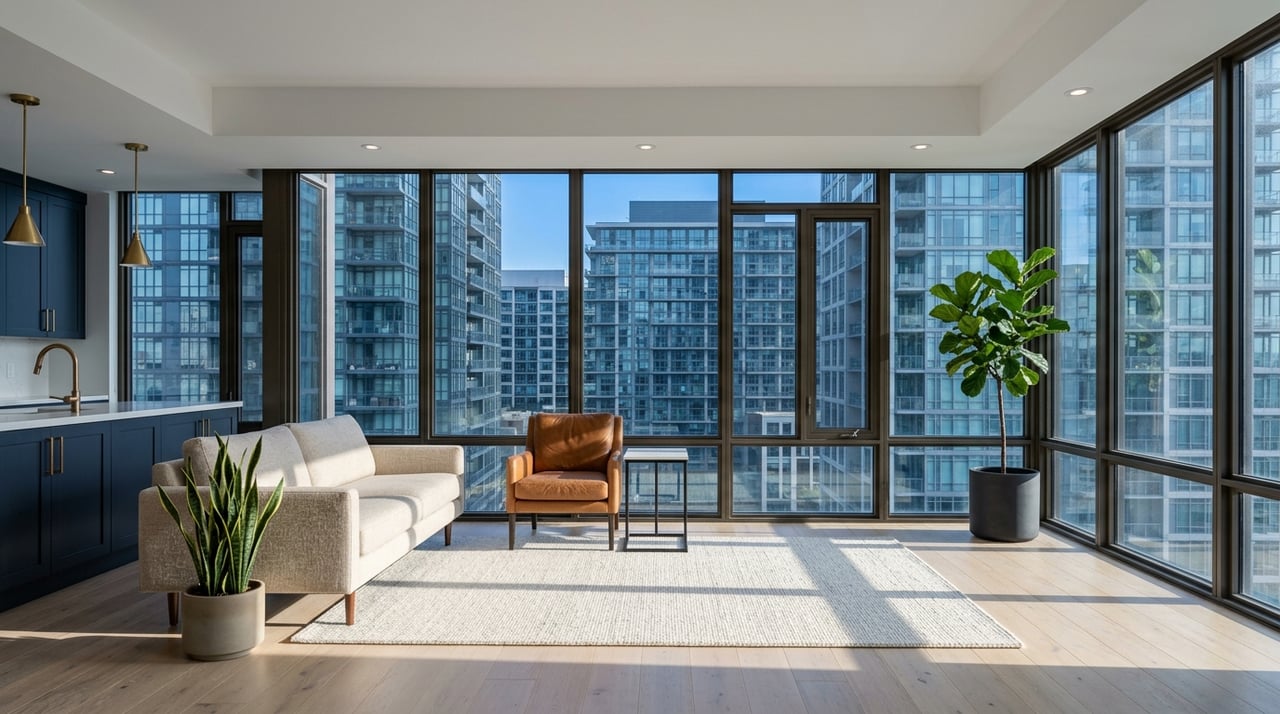
If you love the idea of skyline views, walkable streets, and a low-maintenance home base, high-rise condo living in Denver can feel like a great fit. At the same time, tower living comes with tradeoffs that are easy to miss if you only focus on the view or the finishes. This guide will help you understand what matters most before you tour, compare buildings, or make an offer. Let’s dive in.
Why Denver High-Rise Living Appeals
Denver offers a strong mix of city energy and outdoor access. The city sits at 5,280 feet near the Rocky Mountain foothills, and city materials note roughly 300 days of sunshine each year. That setting helps explain why many buyers are drawn to homes with big windows, mountain views, and easy access to parks and trails.
Downtown also supports a true urban lifestyle. Visit Denver describes the area as walkable and full of restaurants, bars, museums, sports venues, and the renovated Union Station district. If you want to live close to daily conveniences and entertainment, a high-rise condo can put much of that within reach.
Transit is another big part of the appeal. RTD describes Union Station as an intermodal hub with light rail, commuter rail, Amtrak, regional buses, taxis, shuttles, and bicycle and pedestrian access. The 16th Street FreeRide also connects Union Station and Civic Center with fare-free service.
What High-Rise Amenities Often Include
One reason buyers consider Denver high-rises is the amenity package. Official building pages for properties like The Coloradan and The Beauvallon show common features such as concierge service, fitness centers, rooftop or elevated pool areas, club lounges, grills, community spaces, and ground-floor retail. Compared with many lower-density condo options, tower living often includes more shared services and common areas.
These features can add convenience to your day-to-day life. You may have secure package handling, on-site staff, a resident lounge for working or relaxing, or a fitness center that saves you a separate membership. For buyers who value ease and efficiency, that can be a major benefit.
Still, amenities are not free. Colorado HOA guidance explains that regular assessments, or dues, typically cover operational maintenance costs, while special assessments can help pay for repairs, replacements, or other major expenses. That means the right question is not just what amenities exist, but also what they cost and how they are funded.
HOA Costs Deserve Close Review
Before you fall in love with a building, review the HOA side carefully. Colorado guidance recommends reading declarations and governing documents closely, especially to understand assessment rules and any caps. In a high-rise, these documents help explain what owners are responsible for and what the association handles.
Monthly dues may cover a range of expenses, but coverage varies by building. You should confirm whether dues include amenity access, common-area upkeep, operational maintenance, and other building services. If a building has extensive shared features, the dues may reflect that.
Special assessments matter too. Even in a well-run building, major repairs or replacements can lead to added owner costs. Looking at the budget and assessment history can help you understand how the building has handled expenses over time.
Noise Can Vary by Building and Block
Noise is one of the most important lifestyle questions in any Denver tower. The city allows construction noise from 7 a.m. to 9 p.m. on weekdays and 8 a.m. to 5 p.m. on weekends. Even after construction wraps up, HVAC units, generators, and loading docks can still affect the sound environment.
In downtown Denver, noise can also vary a lot depending on the block. Restaurants, nightlife, events, sports venues, and active streets can all influence how quiet or busy a building feels. Two buildings that seem close together on a map may offer very different day-to-day experiences.
That is why it helps to tour with your ears, not just your eyes. If possible, pay attention to street activity, nearby commercial uses, building mechanical areas, and how sound carries in hallways or shared spaces. A beautiful unit can feel very different once you factor in the full noise picture.
Parking Is a Building-Specific Question
Parking is another detail you do not want to assume. Denver’s Department of Transportation and Infrastructure manages right-of-way parking, and the city also has residential parking permit programs in some areas. For condo buyers, though, parking is often most important at the building level.
You should confirm the exact parking arrangement before touring seriously or making an offer. Ask whether the unit includes deeded parking, assigned parking, or leased access if that information is available through the listing or building documents. Also ask about guest parking and any limitations that could affect your routine.
This is especially important if you rely on a car for work, frequent travel, or weekend trips outside the city. Walkability and transit can be major advantages, but your parking setup should still match how you actually live.
Pet Rules Need More Than a Quick Look
If you have an animal, pet rules should be on your checklist from day one. In Colorado, the HOA relationship is treated as contractual, which means building rules and governing documents carry real weight. A quick verbal answer is not enough when you are evaluating whether a building will work for you.
You should review the governing documents to confirm pet limits, registration requirements, size or breed restrictions if any are stated, and any related fees or procedures. Denver also gives residents strong outdoor options, including more than 200 parks and 850 miles of paved, off-street trails. That broader outdoor network can be a plus if regular walks are part of your routine.
It is also important to understand that assistance animals are not pets under HUD guidance, and housing providers may need to make exceptions to no-animal policies, deposits, or fees. If that applies to your situation, make sure you gather the right information early in the process.
Denver Lifestyle Fit Matters
High-rise condo living tends to work well for buyers who value walkability, transit access, shared amenities, and a lower-maintenance setup over private yard space. That can include relocators, first-time urban buyers, and people who want a home close to downtown activity. If your goal is convenience and city access, a tower may check a lot of boxes.
On the other hand, this style of living may feel less natural if you want maximum parking flexibility, very quiet low-density surroundings, or minimal association oversight. Neither choice is better. It is simply about matching the property type to your daily habits and priorities.
This is where clear guidance can make a big difference. A good condo search is not just about square footage and finishes. It is about finding the right building culture, cost structure, and location fit for how you want to live.
What To Verify Before You Tour
A little prep can save you time and help you compare options more confidently. Before you schedule tours or narrow your list, make sure you know which details matter most to you.
Use this checklist as a starting point:
- HOA budget and assessment history
- Monthly dues and what they include
- Special assessment history or known upcoming projects
- Parking rights and guest parking options
- Pet rules in the governing documents
- Mail and package handling
- Amenity access and hours
- Nearby noise sources, including streets, loading areas, or active venues
- Transit access and how close the building is to your routine destinations
If you are buying from out of state or trying to narrow options quickly, virtual tours and clear building-level research can help you avoid wasted trips. A smart process matters just as much as a smart purchase.
A Practical Way To Compare Buildings
When you compare Denver high-rises, it helps to look beyond finishes and views. Two condos with similar price points can offer very different ownership experiences once you account for dues, parking, rules, and amenities. A simple side-by-side review can make your decision easier.
Ask yourself a few practical questions:
- Does this building support my daily routine?
- Are the HOA dues aligned with the amenities I will actually use?
- Is the parking setup realistic for my needs?
- Will the surrounding noise level work for me?
- Do the pet rules fit my household?
- Does the location balance convenience with comfort?
Those questions can help you move from “nice unit” to “right fit.” That is often the difference between a purchase you enjoy for years and one that starts to feel limiting after move-in.
If you are exploring high-rise condo living in Denver, the best next step is a building-by-building strategy that matches your lifestyle, budget, and timeline. Nino Pepper can help you evaluate condos with clear local insight, virtual tools for efficient searching, and practical guidance from tour to closing.
FAQs
What should you check before buying a high-rise condo in Denver?
- Review the HOA budget, assessment history, governing documents, parking details, pet rules, mail handling, and which amenities are included in monthly dues.
Are HOA dues higher in Denver high-rise buildings?
- They can be, especially when a building offers shared amenities and on-site services like concierge support, fitness space, lounges, or pool areas.
Is parking included with every Denver condo unit?
- No. Parking is a building-specific detail, so you should confirm exactly what comes with the unit before touring seriously or making an offer.
How important is noise when choosing a Denver high-rise?
- Very important. Noise can vary by building and block due to construction, building systems, loading activity, nightlife, traffic, and nearby events.
Do Denver high-rise buildings allow pets?
- Rules vary by building, so you should review the governing documents carefully to understand any limits, requirements, or fees.
Who is Denver high-rise living usually best for?
- It often appeals to buyers who want walkability, transit access, shared amenities, and a lower-maintenance home close to downtown activity.