Wondering if Aurora can make your commute easier without giving up housing choice? That is a common question if you want access to Denver, the Tech Center, or the airport corridor while still having options that fit your budget and lifestyle. The good news is that Aurora offers a real mix of road access, rail service, and housing types, but where you live in the city matters a lot. Let’s break down what commuter-friendly living in Aurora really looks like.
Why Aurora Works for Commuters
Aurora is a large city, spanning 154.3 square miles with 160,276 housing units. Because of that scale, commute times and housing patterns can look very different from one area to another. The city’s planning materials treat Aurora as a mix of suburban neighborhoods, urban districts, and station areas rather than one single housing model.
That matters if you are trying to balance drive time, transit access, and home style. In some parts of Aurora, detached homes are the dominant option. In others, you will find a more transit-oriented setup with condos, apartments, townhomes, and easier station access.
Road Access Across Aurora
If you drive to work, Aurora has a strong road network that gives you more than one way to get around the metro area. I-225 is a key commuter corridor, connecting I-25 in Denver with I-70 in Aurora along a 12-mile route. The City of Aurora also highlights access to two major interstates plus E-470.
For you, that means flexibility. Depending on where you live and where you work, Aurora can provide practical driving access to downtown Denver, the Denver Tech Center, and other employment hubs across the region.
Why Route Options Matter
A city with multiple corridor choices can help reduce some of the stress that comes with relying on just one commute path. In Aurora, that road-and-rail combination is one of the biggest advantages for buyers who want backup options.
If your schedule changes, hybrid work becomes permanent, or you split time between different parts of the metro, that flexibility can become just as important as square footage. It is one reason Aurora continues to appeal to both local movers and relocation buyers.
Transit Options in Aurora
Aurora is not just a driving market. Transit is a meaningful part of the city’s commuter appeal, especially along rail station areas and major bus corridors.
RTD’s R Line runs through Aurora on 10.5 miles of light rail and includes 10 stations in the city. According to the City of Aurora, the R Line connects Nine Mile Station up I-225 to Peoria Station on the A Line, making it easier to reach Denver International Airport, the Denver Tech Center, and downtown Denver.
The A Line is the 22.8-mile commuter rail corridor between Union Station and Denver International Airport. Peoria is the key transfer point for Aurora riders moving between the R Line and the A Line.
Bus and First-Mile Access
Rail is only part of the picture. Aurora also has RTD bus service citywide, plus public bike lockers at Aurora Metro Center and Iliff stations. The East Colfax BRT project is also under construction from Union Station to the R Line Colfax Station in Aurora, with Aurora work starting in May 2026.
That means your commute is not only about being near tracks. Bus connections, station parking or drop-off routines, bike access, and walkability within a station area can all shape how convenient a home feels day to day.
What Commutes Can Look Like
Your actual commute will depend on your starting point, your destination, and how close you are to a rail station. Still, the current transit benchmarks offer a helpful way to compare areas.
For downtown Denver, a recent RTD timetable sample shows Aurora Metro Center to Peoria at about 19 minutes on the R Line. From Peoria to Union Station on the A Line, the schedule shows about 16 minutes. That puts the rail-only trip at roughly 35 minutes before transfer and waiting time.
If you live closer to Peoria or Fitzsimons, your trip may be shorter because you begin closer to the A Line connection. For some buyers, that can make a noticeable difference in everyday convenience.
Reaching the Denver Tech Center
For Tech Center commuters, the R Line is a major plus. A recent RTD timetable sample shows Aurora Metro Center to Belleview in about 21 minutes, to Orchard in about 24 minutes, and to Arapahoe at Village Center in about 26 minutes.
That gives central Aurora station areas a strong case for buyers who want rail access to DTC jobs. If you are comparing neighborhoods, it helps to think beyond city limits and focus on how directly your preferred area connects to your actual work destination.
Housing Types Near Transit
Aurora’s housing stock is broad, which is part of the city’s appeal. Citywide, 53.1% of housing units are one-unit detached homes, 11.3% are one-unit attached homes, and 34.0% are multi-family.
In simple terms, you can find both suburban-style living and more transit-oriented housing in Aurora. The key is understanding that the mix shifts quickly as you move closer to or farther from rail stations.
What Station Areas Usually Offer
Aurora’s transit-oriented development planning generally focuses on about a half-mile radius around stations, or roughly a 15-minute walk. Within those station areas, housing tends to be denser and more walkable than in the broader suburban parts of the city.
That often means a higher concentration of condos, apartments, and townhomes near rail stops. If you want a shorter walk to transit, lower-maintenance living, or easier access to nearby services, these areas may deserve a closer look.
Key Commuter-Oriented Areas
Several Aurora station areas stand out if your top priority is access to transit and a more connected daily routine.
Aurora Metro Center
Aurora Metro Center is being positioned as Aurora’s future downtown, with convenient transportation and desirable housing choices. Recent and planned development examples include Parkside @ City Center, which added 216 residential units, and City Center URA references to 450 higher-density residential units.
If you want central access and a more urban-style housing pattern, this area is one of the clearest examples in Aurora. It can be especially worth watching if you like the idea of living near a growing district rather than a purely suburban setting.
2nd and Abilene
The 2nd & Abilene station area plan calls for transit-supportive housing at medium to high densities. It also aims to expand the existing mix of condo and apartment units.
For buyers who want station-area convenience, this kind of planning signals the type of housing you are more likely to find nearby. It can be a practical fit if rail access is a bigger priority than having a larger detached lot.
Colfax and Fitzsimons
The Colfax/Fitzsimons area encourages medium- and high-density residential uses. The area includes communities such as Forum Fitzsimons and Legacy at Fitz, which offers flats and townhome layouts.
This area can appeal to buyers who want a range of attached or multi-family housing options with commuter advantages. It is also a useful area to compare if you are trying to decide between transit convenience and more traditional suburban home patterns.
Nine Mile
Nine Mile is planned as a compact, higher-density mixed-use area. Recent projects include a 64-unit affordable housing development and the 255-unit Tempo Nine Mile Apartments.
That planning direction supports the idea that Nine Mile is one of Aurora’s more commuter-focused station areas. If you want a denser housing environment with direct rail access, it is a logical area to add to your search.
Detached Homes in Broader Aurora
Transit-oriented housing gets a lot of attention, but detached homes remain a major part of Aurora’s overall housing stock. In fact, one-unit detached homes make up the largest share of units citywide.
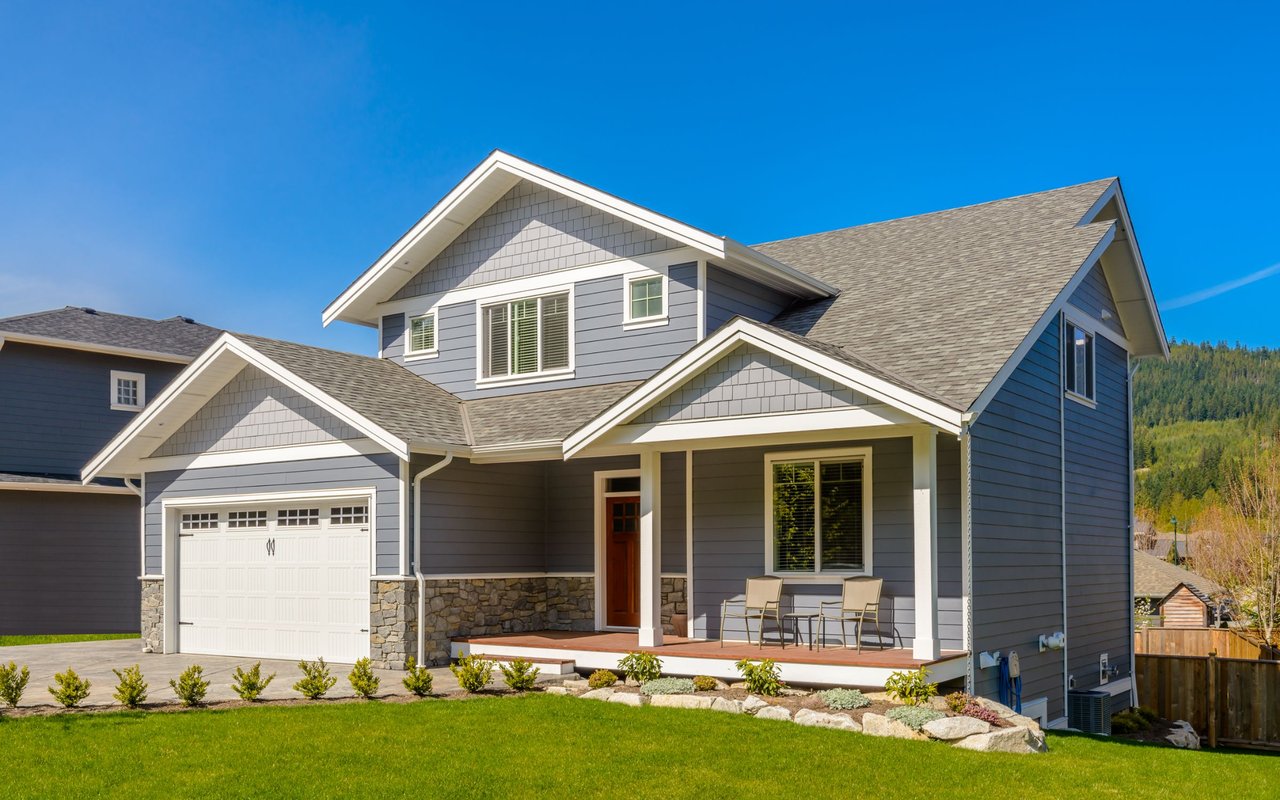
That means you do not have to choose Aurora only for apartment or condo living. If you prefer a single-family home, Aurora still offers that at scale, though you may need to trade some station proximity for more house, more yard, or a different neighborhood layout.
How to Choose the Right Aurora Commute Setup
The best Aurora location depends on how you define convenience. A short rail trip, a simple drive route, and a flexible hybrid setup can each point you toward a different part of the city.
As you compare options, it helps to focus on:
- Your main work destination
- Whether you want to drive, take rail, or mix both
- How important station walkability is to you
- Whether you prefer a condo, townhome, apartment, or detached house
- How much value you place on having route alternatives
For many buyers, Aurora’s biggest strength is not one perfect commute pattern. It is the ability to choose between road access, rail access, and different housing formats within the same city.
Why This Matters for Buyers and Relocators
If you are moving within metro Denver or relocating from out of state, Aurora can be easier to understand when you view it as a collection of commute zones instead of one single market. Station areas like Aurora Metro Center, 2nd & Abilene, Colfax/Fitzsimons, and Nine Mile offer the most commuter-oriented housing patterns, while broader sections of Aurora continue to provide a larger share of detached homes.
That mix gives you room to prioritize what matters most. You can target transit access, driving flexibility, or a specific home style without limiting your search to a much smaller city footprint.
If you want help comparing Aurora neighborhoods by commute style, housing type, and day-to-day practicality, Nino Pepper can help you narrow the options and build a search that fits how you actually live.
FAQs
What makes Aurora commuter-friendly for Denver-area buyers?
- Aurora offers both major road access and rail access, including I-225, access to I-25 and I-70, E-470, the R Line, and the A Line connection at Peoria.
Which Aurora areas are most transit-oriented for homebuyers?
- Station areas such as Aurora Metro Center, 2nd & Abilene, Colfax/Fitzsimons, and Nine Mile tend to have the most commuter-oriented housing and transit access.
What types of homes can you find near Aurora transit stations?
- Near rail stations, you are more likely to find condos, apartments, and townhomes, while detached single-family homes are more common in the broader suburban parts of Aurora.
How long is the transit trip from Aurora to downtown Denver?
- A recent RTD timetable sample shows about 19 minutes from Aurora Metro Center to Peoria on the R Line and about 16 minutes from Peoria to Union Station on the A Line, or roughly 35 minutes before transfer and waiting time.
Can you commute from Aurora to the Denver Tech Center by rail?
- Yes. A recent RTD timetable sample shows Aurora Metro Center to Belleview in about 21 minutes, Orchard in about 24 minutes, and Arapahoe at Village Center in about 26 minutes on the R Line.