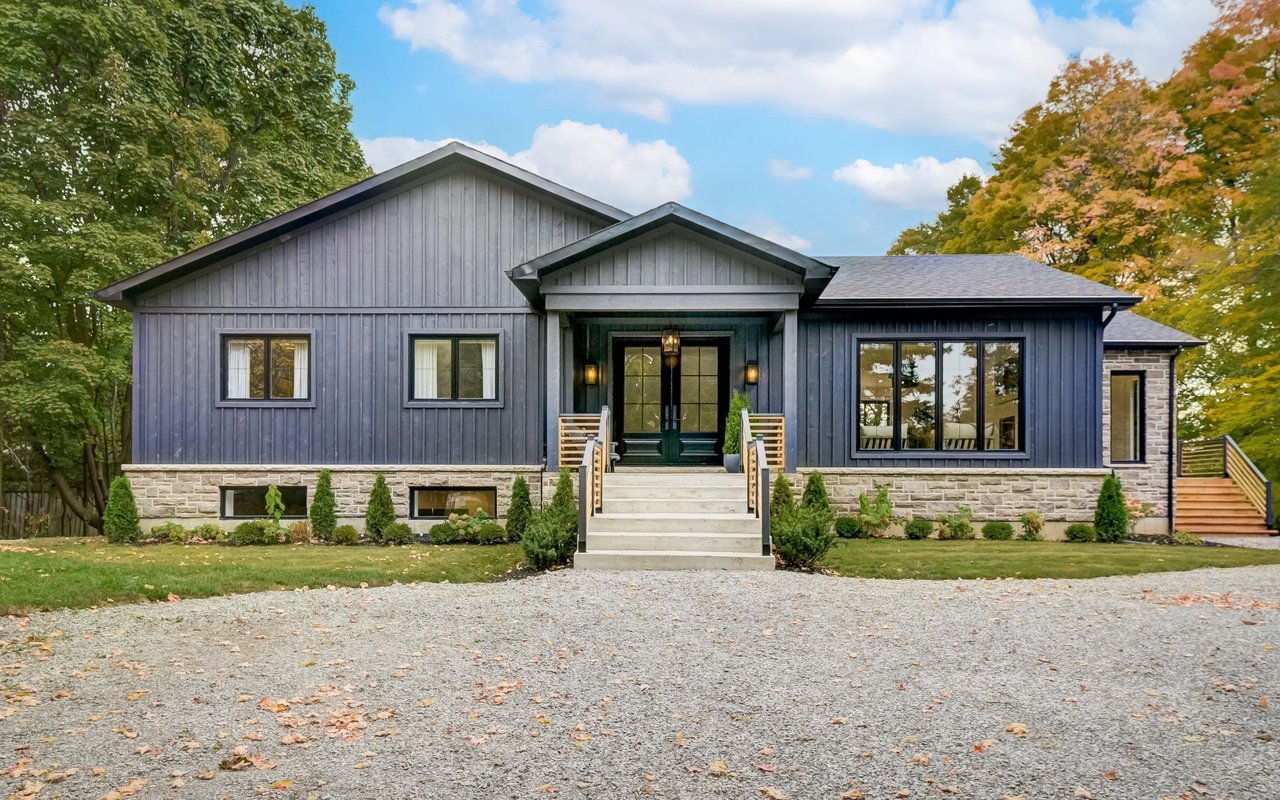
Relocating to the Denver area can feel simple at first, until you realize that Englewood and Denver offer very different day-to-day experiences. If you are trying to decide where you will feel more comfortable, connected, and practical for your routine, you are asking the right question. This guide will help you compare housing, transit, lifestyle, and affordability so you can make a clearer move with confidence. Let’s dive in.
Englewood vs. Denver at a Glance
Englewood is its own independent city in the Denver metro, with about 35,000 residents, a defined downtown, and its own transportation and neighborhood systems, according to the City of Englewood. Denver is much larger and organized around 78 distinct neighborhoods, which means your experience can vary widely depending on where you land.
That difference matters when you relocate. In many cases, the decision is less about choosing one city over another and more about choosing a smaller-city setting with a compact core versus a broad mix of urban neighborhoods with different housing, commute, and lifestyle patterns.
Housing Style and Density
If housing type is high on your list, Englewood and Denver usually feel different right away. Englewood’s housing stock leans more toward detached homes, while Denver offers a wider range of urban housing forms across its neighborhoods.
According to Englewood’s housing data, 58.7% of housing units are single-family detached, 34.8% are multifamily, 5.3% are single-family attached, and 1.2% are mobile homes. The city also notes that more diverse housing types have been added since 2010 through new development efforts.
Denver’s citywide housing mix is broader. The city reports that 44% of housing structures are single-family detached, 35% are multifamily buildings with 20 or more units, and 11% are single-family attached, based on the City and County of Denver consolidated plan.
In practical terms, Englewood will often feel more detached-home-oriented overall. Denver gives you more chances to choose between condos, attached homes, denser apartment buildings, and neighborhood infill, depending on the area.
What this means for your move
If you want a setting that may feel a bit more residential overall, Englewood may fit your preferences. If you want more variety in housing style and density, Denver may give you more options to sort through.
That said, neither place is one-note. Englewood is not purely suburban in form, and Denver is not uniformly dense. Your best choice depends on the type of home you want and how much urban activity you want around you.
Commute and Transit Options
Your commute can shape your whole relocation experience, especially if you are coming from out of state and trying to estimate how daily travel will feel. Both Englewood and Denver offer strong transportation access, but they do it differently.
Englewood combines driving convenience with a useful transit network for a compact city. The city highlights access from US 285 and US 85, two light rail stops, RTD bus service including route 0, and the free bert shuttle connecting 19 stops around CityCenter, downtown Englewood, and nearby medical facilities through the city’s transportation resources.
RTD also notes that Englewood Station is a Park-n-Ride with free parking, five bus routes, and D Line access. For many buyers, that creates a practical mix of rail, bus, shuttle, and highway access in one area.
Denver offers a larger overall transit system. RTD reports a network with more than 100 bus routes, 10 rail lines, 113 miles of rail service, and 96 Park-n-Rides through the regional transit system. Near the city core, Union Station connects light rail and commuter rail lines, creating broader transit choice for neighborhoods close to downtown.
Englewood commute feel
Englewood may appeal to you if you want a car-and-transit hybrid lifestyle. You can often prioritize light rail access while still keeping highway convenience in the mix.
That can be especially useful if your work, appointments, or routines take you across different parts of the metro. The compact scale also makes the local downtown and civic areas easier to understand quickly when you are new to the region.
Denver commute feel
Denver may make more sense if you want access to a larger transit network and are focused on neighborhoods near major corridors, stations, or downtown hubs. The tradeoff is that transit convenience, parking, traffic flow, and street design can vary a lot by neighborhood.
Denver planning efforts such as Blueprint Denver and recent area plans also emphasize complete neighborhoods and transportation networks, which reinforces how location-specific the commute experience can be.
Lifestyle and Daily Routine
Lifestyle is where the Englewood-versus-Denver choice often becomes more personal. Even if two homes look similar online, the surrounding rhythm of daily life can feel very different.
Englewood has a compact and easy-to-read downtown structure. The downtown map breaks the area into CityCenter, South Broadway, and the Wellness District.
CityCenter includes civic uses, offices, modern housing options, and light rail access. South Broadway is described by the city as a walkable main street with restaurants, boutiques, entertainment, and everyday businesses. The Wellness District is anchored by Craig Hospital and Swedish Medical Center.
That gives Englewood a smaller-city identity with a concentrated core. You can also see this in the city’s public resources for parks, recreation, library services, arts programming, and community amenities through the Englewood city overview.
Denver works differently. Rather than one main downtown area shaping the whole city experience, Denver offers many neighborhood environments that can change block by block.
For example, the city notes that Baker sits less than two miles from downtown and has been part of transportation and mobility planning. Recent plans for areas such as the Near Southeast Area emphasize housing options, safer streets, parks, trails, and corridor improvements.
Which place feels more urban?
In general, Denver neighborhoods near downtown and major corridors are more likely to feel urban. You are more likely to see denser housing, stronger corridor-based mobility, and a more neighborhood-by-neighborhood street experience.
Englewood, by comparison, is usually better described as a small-city environment with a traditional downtown pattern and a clear civic core. If you want a setting that feels easier to learn quickly, that can be a real advantage.
Affordability Pressures to Know
Affordability matters in both places, and this is one area where it helps to stay realistic. Neither Englewood nor Denver should be viewed as an easy bargain market right now.
Englewood states that it has historically offered relative affordability, but it also points to pressure from home prices, construction costs, mortgage rates, and land constraints through its affordable housing task force information. Denver reports that one in three households pays more than 30% of income for housing, and the city’s average two-bedroom rent is nearly $1,800, based on its consolidated housing plan.
For you as a relocator, the takeaway is simple: compare monthly ownership or rental costs carefully, but also compare what you are getting in housing type, commute setup, and day-to-day convenience. A lower price point on paper may not feel like a better fit if it creates a harder daily routine.
How Remote Buyers Can Compare Them Better
If you are relocating from another city or state, it is easy to make the wrong comparison by looking only at listing photos. A better approach is to compare each area using the same checklist.
Focus on these four categories first:
- Commute mode: Will you mostly drive, use light rail, or need a mix of both?
- Parking expectations: Do you want simpler parking access, or are you comfortable with more urban variability?
- Housing type: Are you looking for a detached home, townhome, condo, or multifamily-style option?
- Nearby amenities: Do you want a compact downtown feel or a broader neighborhood-by-neighborhood city experience?
You can also use local planning and mapping tools to narrow your search. Denver’s Neighborhood Dashboards can help you compare neighborhood-level housing, affordability, and employment indicators, while Englewood’s city resources help you understand its downtown and transportation layout.
For many remote buyers, virtual tours and 3-D walkthroughs are especially helpful when paired with local guidance. They make it easier to compare how a home’s location fits your routine, not just how the interior looks online.
Who Usually Prefers Englewood?
Englewood may be the better fit if you want a smaller-city environment that still keeps you connected to the larger metro. Many buyers are drawn to its blend of detached-home orientation, a clearly defined downtown, and practical transportation options.
You may also prefer Englewood if you want your daily life centered around a compact civic core rather than a wide set of neighborhood choices. For some relocators, that creates less guesswork and a faster adjustment period.
Who Usually Prefers Denver?
Denver may be the stronger fit if you want more neighborhood variety and a more urban set of housing and transit options. If you enjoy comparing distinct areas with different densities, street patterns, and corridor access, Denver gives you more of that range.
It can also be a better match if you want to prioritize proximity to major transit hubs or downtown-oriented activity. Just keep in mind that your experience can shift significantly from one neighborhood to the next.
Final Thoughts on Choosing Between Englewood and Denver
The best choice comes down to how you want your life to work after the move. Englewood generally offers a smaller-city feel, a more detached-home-oriented housing mix, and a compact downtown with strong rail, shuttle, and road connections. Denver offers more neighborhood variety, more urban form options, and broader transit access in the right locations.
If you are relocating and want help comparing homes, commute patterns, and neighborhood fit in a way that matches your actual routine, Nino Pepper can help you narrow the options with local insight, virtual tools, and a straightforward plan.
FAQs
Is Englewood or Denver better for a suburban feel when relocating?
- Englewood usually feels more suburban overall because its housing mix is more detached-home-oriented than Denver’s citywide housing stock.
Is Denver or Englewood better for transit access in the Denver metro?
- Denver offers the broader overall RTD network, while Englewood offers a strong combination of light rail, shuttle service, bus service, and highway access.
Is Englewood its own city or part of Denver?
- Englewood is its own independent city within the Denver metro area, with its own downtown, local systems, and city services.
How should remote buyers compare Englewood and Denver neighborhoods?
- Start by comparing commute mode, parking, housing type, and the scale of nearby amenities, then use local dashboards, maps, and virtual tours to narrow your choices.
Is housing more affordable in Englewood or Denver?
- Both markets face affordability pressure, so it is best to compare specific homes and monthly costs rather than assume one option will always be less expensive.